12 Sep 2026
The Human Element Behind Equine Performance Projections

Equine performance projections draw on layers of information that extend well beyond raw statistics, and the individuals who shape those projections bring experience, observation, and decision-making patterns that influence outcomes in measurable ways. Trainers compile records from workouts, track conditions, and animal responses, while jockeys contribute assessments gathered during morning exercises and previous races, creating datasets that blend quantitative metrics with qualitative judgments. Researchers have documented how these combined inputs affect projection accuracy across multiple racing jurisdictions.
Trainer Expertise in Data Interpretation
Trainers maintain detailed logs that track variables such as stride length adjustments, recovery times after workouts, and responses to changes in feed or training schedules, and these records feed directly into projection models used by analysts. Studies from the University of Melbourne's Equine Centre show that trainers who integrate longitudinal health data with daily behavioral observations produce projections that align more closely with actual race results in Thoroughbred events. Observers note that experienced trainers often identify subtle shifts in equine movement that automated systems overlook, allowing adjustments to projected finishing positions before race day arrives.
Seasonal patterns also play a role, and data compiled ahead of major meetings scheduled for September 2026 highlight how trainers adapt projections when horses transition between turf and synthetic surfaces. The European Horse Network has published reports indicating that such adaptations reduce variance between projected and observed performance by up to 12 percent in certain age groups. Those who've studied training records across European circuits find that consistent documentation practices correlate with improved reliability in long-term forecasts.
Jockey Input and Real-Time Adjustments
Jockeys supply observations gathered at high speed, noting how a horse handles pace changes or responds to competitors alongside it, and these insights frequently modify pre-race projections that began with laboratory-style metrics. According to figures released by The Jockey Club, jockey assessments incorporated into projection systems have improved accuracy rates in allowance races over the past five seasons. People who review race replays alongside jockey debriefs often discover that split-second decisions about positioning alter expected outcomes in ways that static models cannot capture.
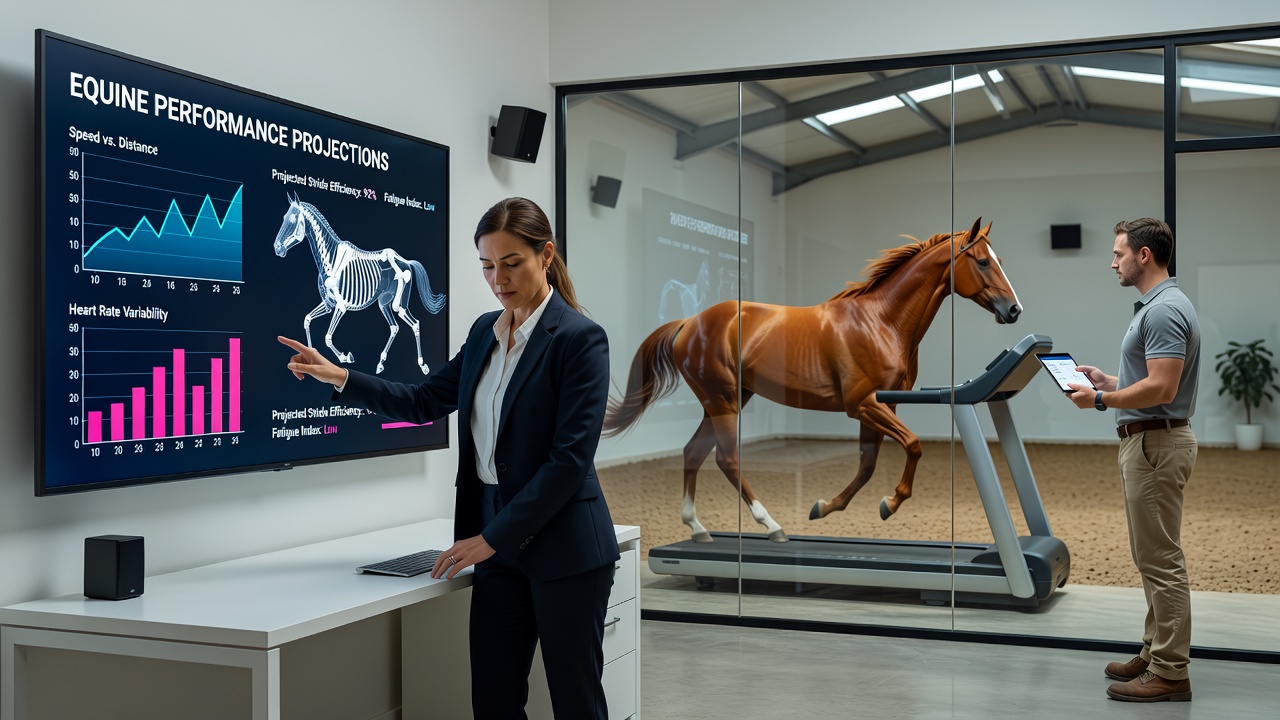
Communication between jockey and trainer occurs through structured meetings that occur both before and after workouts, and the notes generated during these sessions add context to numerical entries in performance databases. Research published in the Journal of Equine Veterinary Science demonstrates that when jockey feedback is weighted equally with biomechanical measurements, projection errors decrease notably in sprints under 1400 meters. Analysts who examine these interactions point to patterns where experienced riders flag fatigue indicators that emerge only under race-like pressure.
Owner and Stable Staff Contributions
Owners and grooms observe horses in their daily environment, recording details about appetite, temperament, and social interactions within the stable that may influence readiness on race day. These observations reach projection teams through standardized reporting forms used by many professional yards, and data aggregated from such forms appears in industry summaries issued by Racing Australia. Staff members who maintain continuity with individual animals accumulate knowledge that statistical models treat as supplementary variables rather than core inputs.
Case examples from Australian racing circuits illustrate how stable-level monitoring has flagged respiratory issues days before they register on standard veterinary scans, prompting revisions to projected performance levels. Those responsible for compiling national databases note that inclusion of these human-sourced flags improves the calibration of algorithms applied to handicap events. The process remains iterative, with each race result feeding back into updated records that inform the next set of projections.
Conclusion
Equine performance projections continue to evolve through the integration of human observation and measured data, and organizations across multiple continents maintain systems that record both elements. Regulatory bodies in the United States and Australia publish guidelines that encourage consistent documentation practices, while academic institutions conduct ongoing studies into the reliability of combined inputs. The interplay between trainers, jockeys, and support staff shapes the final form these projections take, and records from recent seasons demonstrate measurable effects on forecast precision.