26 Sep 2026
Interconnected Regulatory Frameworks and Observer Networks in Equine Event Forecasting
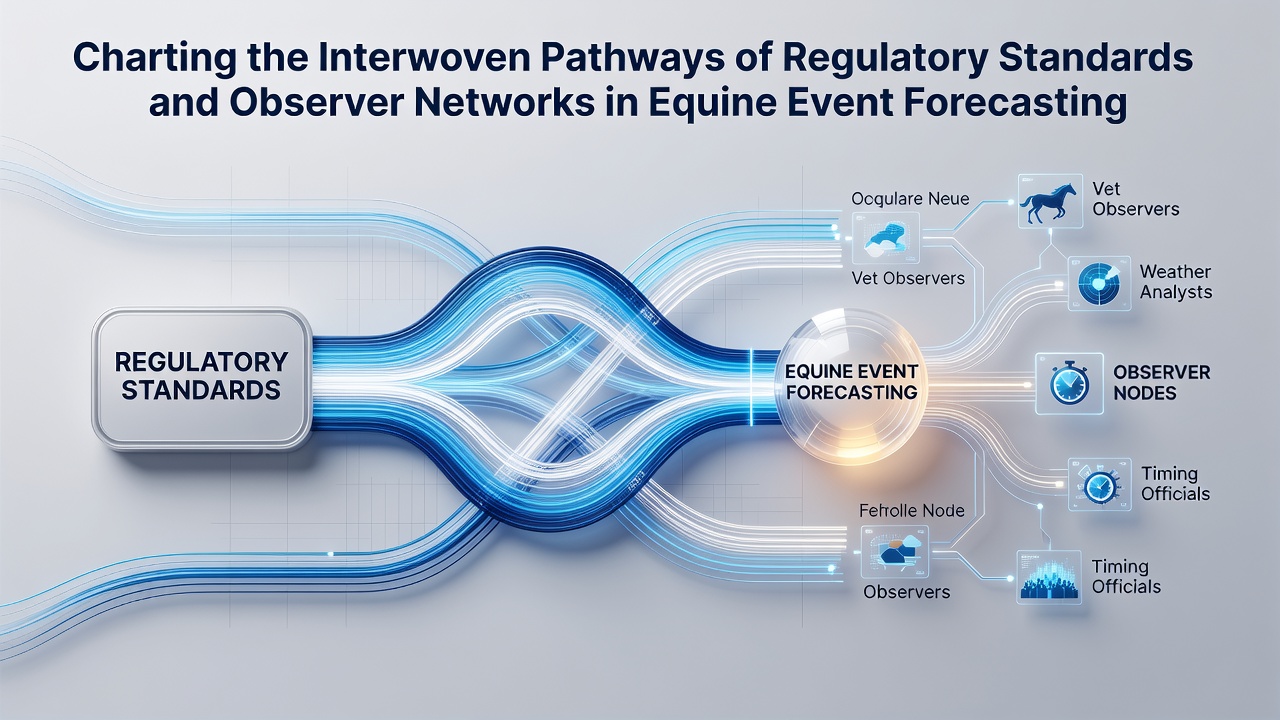
Regulatory standards in equine events establish the baseline protocols that govern data collection, integrity verification, and forecasting model inputs while observer networks supply the granular, real-time observations that feed those models. These two systems operate in tandem across multiple jurisdictions, creating layered pathways where compliance requirements shape the quality and availability of performance metrics used in event predictions. Researchers have documented how standards from bodies such as Racing Australia dictate minimum observation frequencies at race meetings, which in turn determines the granularity available for statistical projections.
Observer networks consist of licensed stewards, veterinary inspectors, and accredited analysts who record variables including stride length, track surface response, and equine physiological indicators during events. Data from these observers must align with regulatory thresholds set by regional authorities before it enters forecasting databases. When standards tighten on track condition reporting, for instance, networks adjust collection methods to maintain consistency across events scheduled through September 2026.
Pathways Linking Standards to Data Flows
Equine forecasting relies on structured data pipelines where regulatory mandates define what observations count as valid inputs. Standards from The Jockey Club in the United States require specific categories of pre-race veterinary checks, and those categories directly influence the variables available for predictive algorithms. Observers document findings according to these categories, then transmit records through centralized systems that filter entries for compliance before aggregation occurs.
Multiple jurisdictions coordinate through the International Federation of Horseracing Authorities, which publishes unified guidelines on observation timing and reporting formats. These guidelines reduce discrepancies between national datasets, allowing forecasters to compare equine performance across borders without adjusting for divergent regulatory definitions. The alignment process involves regular updates to observer training modules that reflect evolving standards on medication reporting and equipment specifications.
Observer Network Structures and Their Regulatory Interfaces
Observer networks function through hierarchical reporting lines that connect field personnel to central compliance offices. Each layer applies regulatory filters that determine which observations advance to forecasting repositories. In practice, a steward's report on an equine's post-exercise recovery must satisfy criteria established by the relevant racing authority before it contributes to longitudinal performance models. Networks maintain redundancy through overlapping observation assignments, ensuring that regulatory audits can verify data integrity at multiple points.
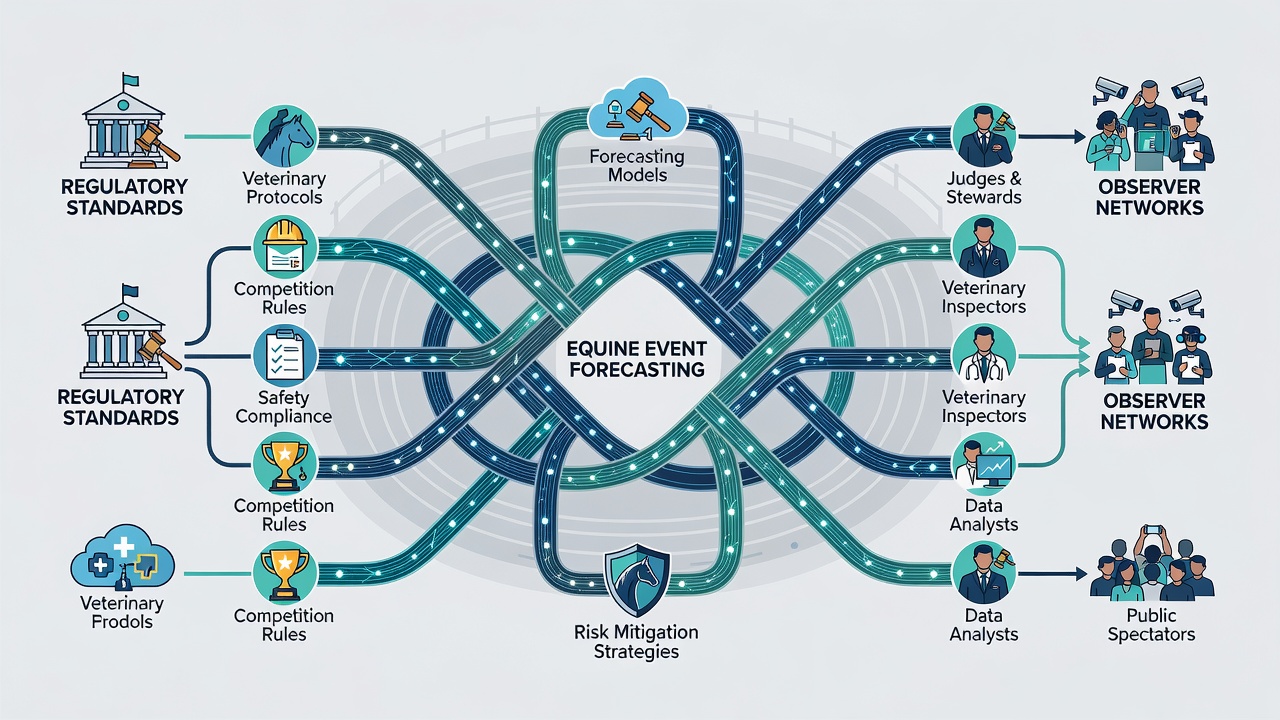
Geographic distribution of observers follows regulatory requirements for coverage density at licensed venues. European authorities, for example, mandate minimum observer-to-equine ratios during multi-day events, and those ratios shape the volume of data collected for each forecast cycle. Networks adapt staffing models seasonally, with increased deployment during peak periods when regulatory scrutiny on event safety records intensifies. Analysts who review aggregated outputs often trace discrepancies back to variations in how different observer teams interpret the same regulatory language.
Integration Mechanisms Across Jurisdictions
Forecasting platforms merge datasets from disparate regulatory environments by applying normalization protocols that account for differences in observation standards. Canadian Pari-Mutuel Agency rules on timing equipment calibration differ in detail from those in Australia, yet both feed into international models after observers certify compliance through documented procedures. Integration relies on shared metadata fields that flag regulatory origin, allowing algorithms to weight inputs according to verification strength.
Cross-border observer collaborations occur through formal agreements that align training standards and data formats. These agreements specify how observations collected under one jurisdiction's rules remain usable under another's forecasting requirements. Periodic joint audits evaluate whether observer reports continue to meet the combined regulatory thresholds, and findings from those audits prompt adjustments to network protocols ahead of major event seasons.
Future Alignment Points Scheduled for 2026
Regulatory bodies have outlined revisions to observation reporting formats that take effect in September 2026, focusing on expanded digital capture of equine gait metrics. Observer networks are updating equipment and training in anticipation, since the new standards will increase the number of variables required for compliant data submission. Forecasting systems that draw from these networks will incorporate the expanded datasets once regulators certify the transition. The changes aim to standardize inputs across regions while preserving local authority over enforcement.
Conclusion
Regulatory standards and observer networks form interdependent pathways that determine the scope and reliability of equine event forecasting. Standards define acceptable data parameters, while networks execute the collection and verification steps that populate predictive models. Ongoing coordination among authorities in North America, Europe, and Australia sustains the alignment necessary for consistent outputs across events. As scheduled updates approach in September 2026, both systems continue to adapt their interfaces to maintain data integrity within evolving compliance frameworks.