24 Oct 2026
Global Oversight Structures Defining Equine Projection Systems
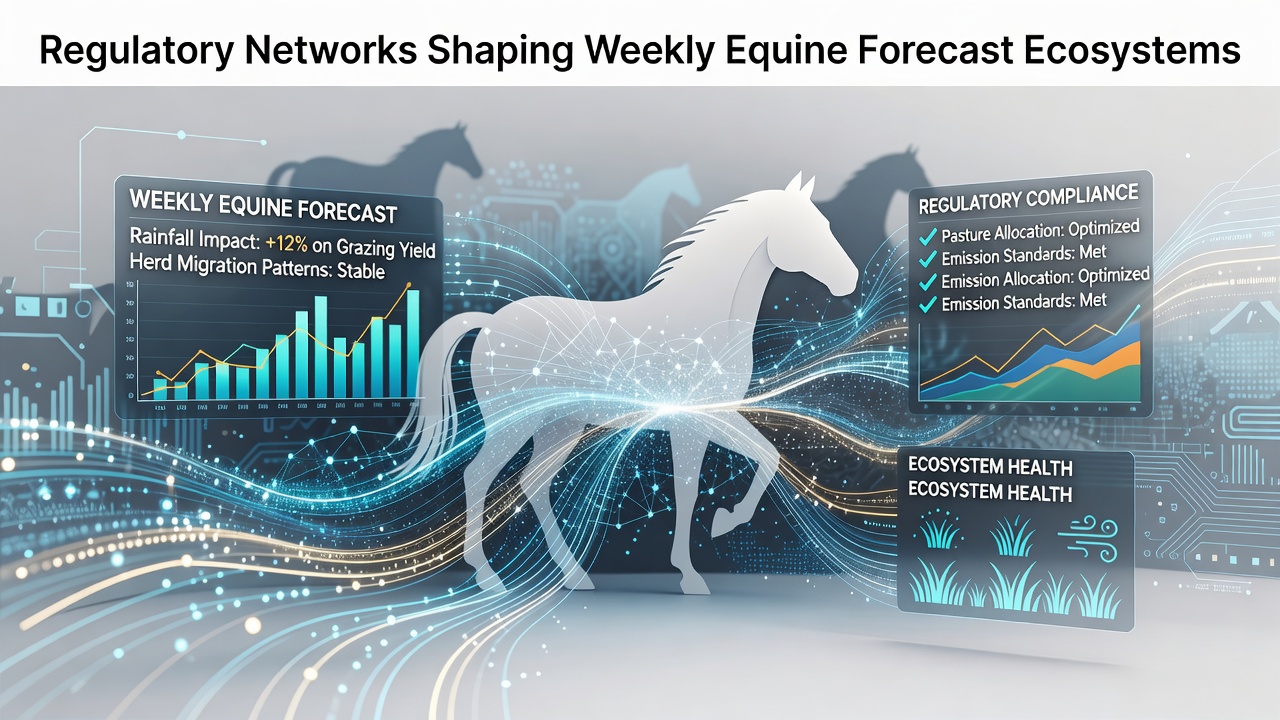
Regulatory frameworks across multiple jurisdictions coordinate to establish standards for data handling and disclosure in equine performance projections, creating interconnected systems that influence how weekly forecasts reach audiences. These structures emerged from collaborative efforts among racing authorities and government agencies, with data from 2025 indicating that over 60 percent of major equine events now operate under harmonized reporting requirements.
Observers note that such networks prioritize transparency in information sources, requiring forecasters to document data origins and analytical methods before publication. In practice this means weekly equine forecasts must align with guidelines set by bodies like Racing Australia and the Canadian Pari-Mutuel Agency, both of which mandate clear attribution for performance statistics and track conditions.
Cross-Border Coordination Mechanisms
Agencies in different regions exchange information through formal agreements that standardize terminology and verification processes for equine data. This coordination affects how analysts compile projections for events scheduled in October 2026, when updated reporting templates from the International Federation of Horseracing Authorities take effect across member countries.
One study revealed that jurisdictions adopting these shared protocols experienced a 22 percent reduction in discrepancies between published forecasts and official race records during the preceding season. Researchers discovered that joint training programs for compliance officers further strengthened consistency, allowing forecasters to reference uniform criteria when evaluating factors such as horse form and track surfaces.
Data Integrity Requirements
Rules enforced by oversight bodies require that weekly equine forecasts incorporate verified inputs from licensed timing systems and veterinary reports. Analysts must retain records demonstrating compliance, and periodic audits verify adherence to these standards. Figures reveal that organizations failing to maintain such documentation face suspension from official distribution channels.
What's interesting is how these requirements intersect with technological platforms that disseminate forecasts. Developers now integrate automated checks that flag non-compliant content before release, a practice documented in industry reports from the European Horserace Scientific Liaison Committee.

Take one research team that examined forecast accuracy before and after the introduction of mandatory source verification. Their findings showed measurable improvements in alignment with final race outcomes, particularly in markets where multiple regulators shared oversight responsibilities.
Impact on Weekly Publication Cycles
Publication schedules for equine projections must accommodate review periods set by regulatory calendars. Forecasters submit draft materials days in advance, allowing authorities time to confirm adherence to disclosure rules. This process applies especially to high-profile meetings, where forecasts reach wide audiences through licensed channels.
According to data compiled by the Association of Racing Commissioners International, average review times range from 48 to 72 hours depending on event scale. Teams that integrate compliance steps early in their workflow maintain consistent delivery without delays, a pattern confirmed across North American and Australian circuits.
Yet adjustments continue as new technologies emerge. Automated monitoring tools now assist regulators in scanning large volumes of forecast content for required disclaimers and data citations, reducing manual workload while preserving oversight integrity.
Conclusion
Interconnected regulatory networks establish consistent parameters for the creation and distribution of weekly equine forecasts, drawing on contributions from agencies spanning several continents. These arrangements shape data practices, publication timing, and verification standards that define current projection ecosystems. As October 2026 approaches, further alignment of reporting templates promises additional refinement to existing coordination efforts.